Have you ever found yourself confused when someone casually mentions a kilometer, and you are left wondering, "What the hell is a kilometer?" This unit of measurement can often feel alien, especially if you're more familiar with miles. As global communication continues to expand, understanding the metric system, particularly kilometers, becomes increasingly important. Whether you're planning a trip abroad or simply trying to make sense of a distance-related conversation, having a grasp of what a kilometer is will undoubtedly come in handy.
In this article, we will dive deep into the world of kilometers, exploring its definition, conversion to other measurement units, and its significance in various fields. We will also tackle some common questions surrounding kilometers, ensuring that by the end of this piece, you won't be asking, "What the hell is a kilometer?" ever again. So, buckle up and get ready to embark on a journey through distance measurement!
As we navigate through this topic, we will break down the concept into digestible sections, making it easier for you to understand and retain the information. From the history of the kilometer to its application in daily life, we will cover it all. So, let's get started and unravel the mystery behind this seemingly simple yet essential unit of measurement.
What is a Kilometer Anyway?
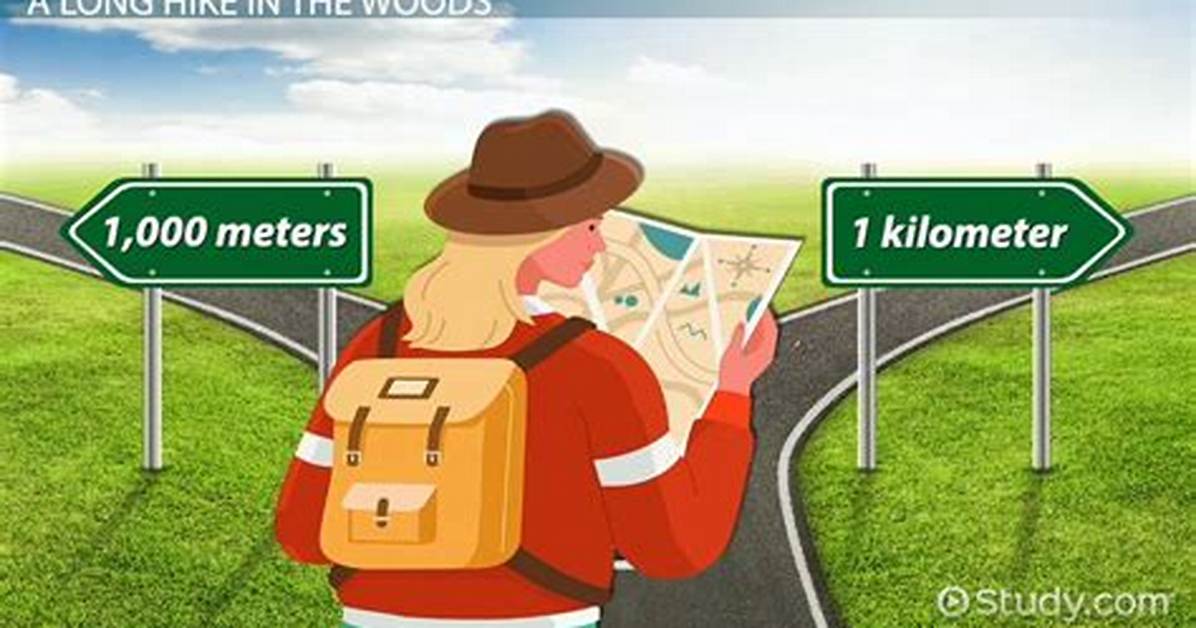
A kilometer is a unit of length in the metric system, equivalent to 1,000 meters. It is commonly used around the world to measure distances, especially in countries that utilize the metric system. The term "kilometer" is derived from the Greek word "chilioi," meaning a thousand, and the Latin term "metrum," which translates to measure. Thus, a kilometer can be understood as a measure of one thousand meters.
Why Use Kilometers Instead of Miles?
The choice between kilometers and miles often depends on the region and the measurement system in use. Here are some reasons why kilometers are favored in many parts of the world:
- Simplicity: The metric system is based on powers of ten, making calculations straightforward.
- Global Standard: Most countries use kilometers, promoting consistency in international travel and communication.
- Scientific Use: The metric system is the preferred system of measurement in scientific research and studies.
How Do You Convert Kilometers to Miles?
If you're more accustomed to miles, you may often find yourself needing to convert kilometers into miles. The conversion factor is relatively simple:
- 1 kilometer = 0.621371 miles
- To convert kilometers to miles, multiply the number of kilometers by 0.621371.
What the Hell is a Kilometer in Real Life?
Understanding the practical applications of kilometers is essential to grasp its importance. Here are some instances where kilometers are commonly used:
- Road Signs: In countries using the metric system, road signs displaying distances are often in kilometers.
- Running Events: Races like marathons and half-marathons often include distances in kilometers.
- Travel Planning: When planning trips, distances to destinations are often measured in kilometers.
How Does the Kilometer Relate to Other Units of Measurement?
Kilometers are part of a larger system of measurements that includes various units. Here’s how kilometers relate to other common measurements:
- 1 kilometer = 1,000 meters
- 1 kilometer = 100,000 centimeters
- 1 kilometer = 0.001 kilometers
What Are the Historical Roots of the Kilometer?
The concept of a kilometer emerged in the late 18th century during the development of the metric system in France. The metric system was created to standardize measurements for trade and science, and the kilometer was introduced as a more manageable way to express longer distances compared to the meter. Since then, the kilometer has gained global acceptance and is now widely used.

