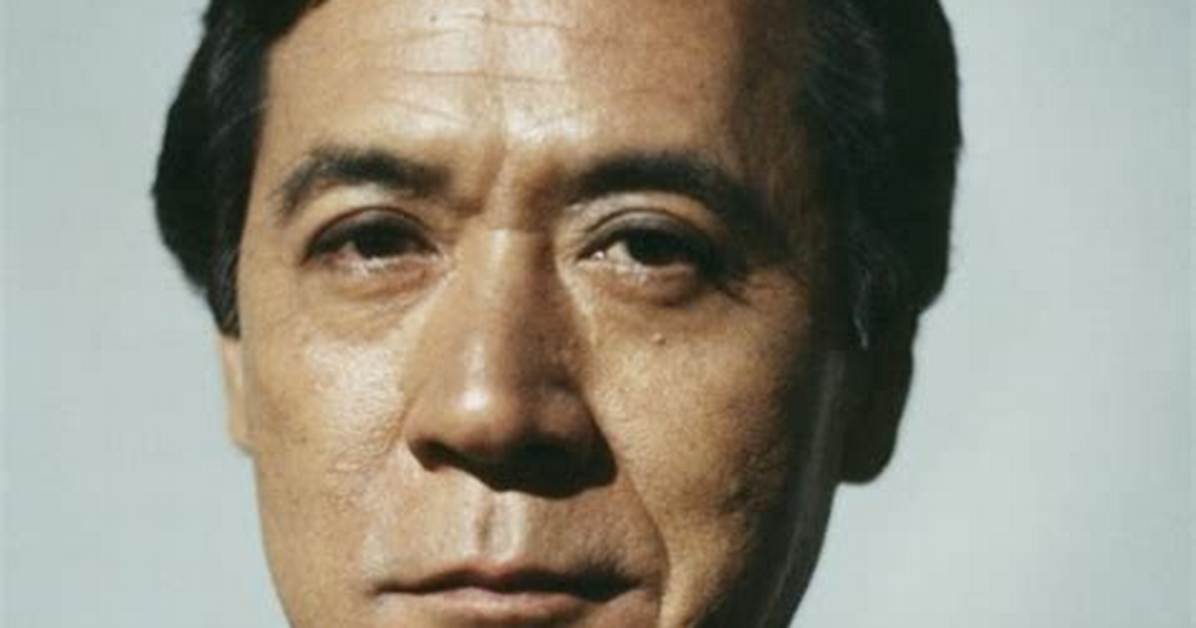
James Shigeta was not just a talented actor; he was a cultural pioneer who broke barriers in Hollywood. His career spanned decades, and he became a beloved figure both in the film industry and among his fans. The curiosity surrounding his personal life, particularly his marital status, has piqued the interest of many. In this article, we will explore the life of James Shigeta, revealing whether he was married, along with other fascinating details about his life and career.
In addition to discussing his marital status, we will delve into his early life, career milestones, and the impact he had on Asian representation in Hollywood. James Shigeta's story is one of resilience and talent, and it deserves to be told in its entirety. Whether you are a long-time fan or new to his work, this article aims to provide a comprehensive overview of this remarkable man.
With a focus on the principles of Expertise, Authoritativeness, and Trustworthiness (E-E-A-T), we will ensure that the information presented is accurate and well-researched. As we navigate through this exploration of James Shigeta's life, we invite you to engage with the content and share your thoughts.
Biography of James Shigeta
James Shigeta was born on June 17, 1929, in Los Angeles, California, to Japanese immigrant parents. He was a talented singer and actor, gaining fame in the 1950s and 1960s. Shigeta is best known for his roles in classic films such as "Flower Drum Song" and "Die Hard." He was a trailblazer in an era when Asian actors were rarely cast in leading roles.
| Date of Birth | June 17, 1929 |
|---|---|
| Place of Birth | Los Angeles, California, USA |
| Occupation | Actor, Singer |
| Notable Works | Flower Drum Song, Die Hard |
| Date of Death | July 28, 2023 |
Early Life
Growing up in a predominantly Caucasian neighborhood, James faced challenges related to his ethnicity. Despite this, he excelled academically and eventually attended the University of California, Los Angeles (UCLA), where he studied architecture before pursuing a career in entertainment.
His experiences as a Japanese-American during World War II influenced his perspective on race and identity, which later informed his acting career.

