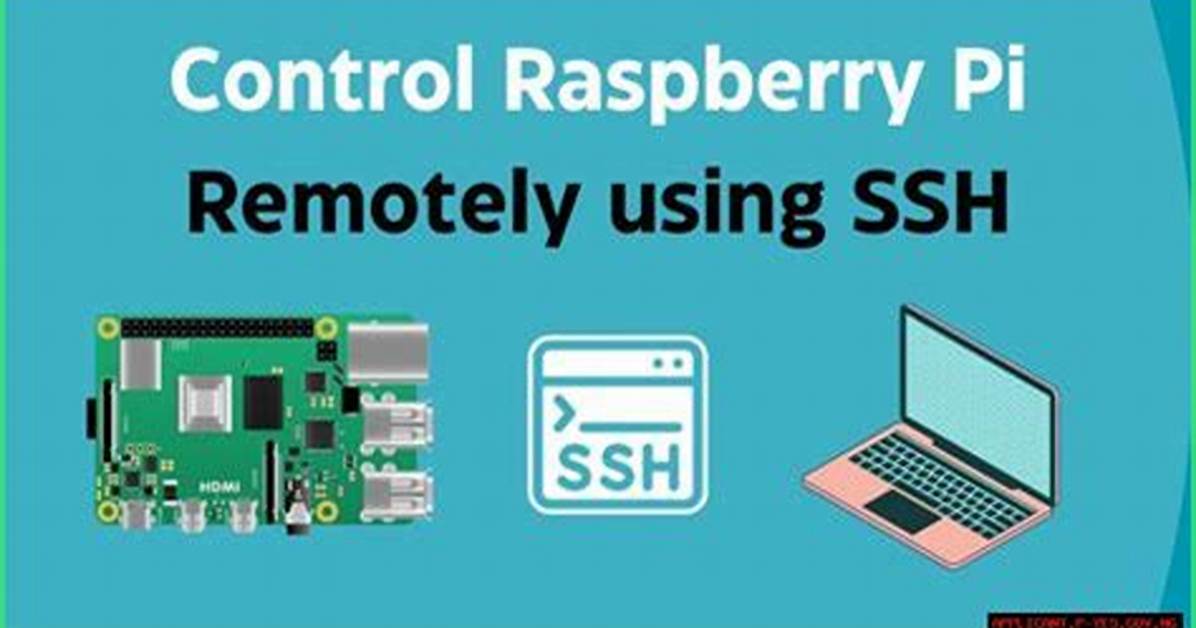
Remote IoT monitoring using SSH on Raspberry Pi has become a crucial aspect of modern technology, allowing users to manage devices and collect data from anywhere in the world. The integration of IoT systems with Raspberry Pi opens up endless possibilities for automation, data analysis, and real-time monitoring. Whether you're a hobbyist or a professional, understanding how to set up and maintain such a system is essential.
With the increasing demand for smart solutions, remote IoT monitoring has transformed the way we interact with devices. This article will explore the step-by-step process of setting up SSH on a Raspberry Pi for secure and efficient remote monitoring. By the end of this guide, you'll have a solid understanding of the tools, techniques, and best practices to implement this technology effectively.
Whether you're monitoring environmental sensors, home automation systems, or industrial equipment, this guide will provide valuable insights and practical tips. Let's dive into the world of IoT and discover how Raspberry Pi can revolutionize the way you manage your devices remotely.
Introduction to Remote IoT Monitoring
Remote IoT monitoring enables users to track and manage devices without being physically present. This technology is widely used in various industries, including agriculture, healthcare, and manufacturing. By leveraging SSH (Secure Shell), users can establish a secure connection to their Raspberry Pi and monitor IoT devices in real-time.
The primary benefit of remote monitoring is increased efficiency and reduced downtime. For example, a farmer can monitor soil moisture levels and automate irrigation systems, while a factory manager can oversee equipment performance and detect potential issues before they escalate.
Why Choose Raspberry Pi for IoT Monitoring?
Raspberry Pi is a cost-effective and versatile platform for IoT applications. Its compact size, low power consumption, and compatibility with various sensors make it an ideal choice for remote monitoring projects. Additionally, Raspberry Pi supports a wide range of operating systems, including Raspbian, Ubuntu, and Windows IoT Core, providing flexibility for developers.
What is Raspberry Pi?
Raspberry Pi is a single-board computer developed by the Raspberry Pi Foundation. It was initially designed as an educational tool but quickly gained popularity among hobbyists and professionals alike. The device features a powerful processor, GPIO pins for connecting sensors, and support for multiple programming languages.
Key Features of Raspberry Pi:
- Compact and lightweight design
- Support for multiple operating systems
- Compatibility with a wide range of sensors and peripherals
- Low power consumption
- Cost-effective solution for IoT projects

