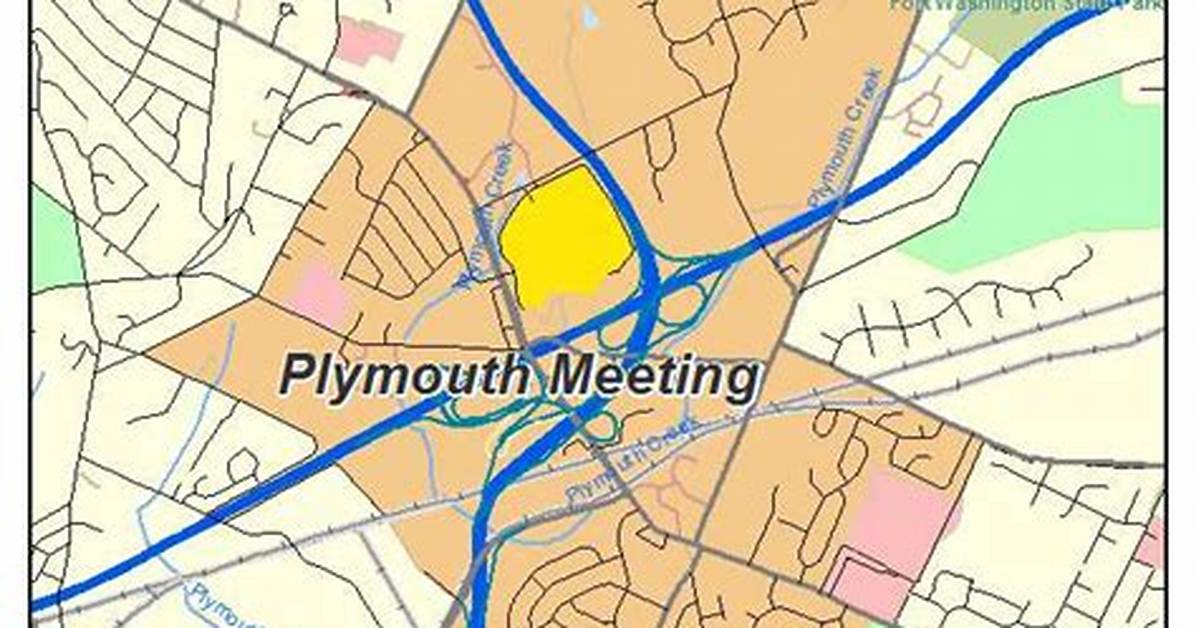
Plymouth Meeting, PA, is a vibrant suburb located just outside Philadelphia, known for its rich history, beautiful parks, and thriving community. This guide will explore everything you need to know about Plymouth Meeting, from its historical significance to its modern-day attractions, making it a great destination for both residents and visitors.
Whether you're considering a move, planning a visit, or just curious about this charming area, understanding the various facets of Plymouth Meeting will enrich your experience. From residential neighborhoods to local businesses and recreational facilities, this suburb offers a blend of suburban comfort and urban convenience.
In this article, we'll delve into the history, demographics, attractions, and lifestyle of Plymouth Meeting, PA. We aim to provide you with insightful information that showcases why this location is not just a place to live but a community to thrive in.
1. History of Plymouth Meeting
Plymouth Meeting has a rich historical background that dates back to the 17th century. Originally settled by the Welsh, the area was known for its agricultural roots and its strategic location along key transportation routes. The Plymouth Meeting House, built in 1698, serves as one of the oldest structures in the area and is a testament to the community’s Quaker heritage.
During the 18th century, Plymouth Meeting evolved into a significant area for trade and commerce. The construction of roads and the development of the railway system further enhanced its accessibility, leading to an increase in population and economic growth. Today, remnants of its historical past can be found throughout the suburb, making it a fascinating place for history enthusiasts.
2. Demographics and Community
Plymouth Meeting is home to a diverse population, with a mix of families, young professionals, and retirees. According to the latest census data, the population is approximately 6,000 residents, with a median age of 40 years. The community is known for its friendly atmosphere and active participation in local events.
Key Demographic Statistics
- Population: Approximately 6,000
- Median Age: 40 years
- Household Income: $75,000 (median)
- Education Level: Over 40% hold a bachelor’s degree or higher
The community is served by the Colonial School District, which is recognized for its commitment to educational excellence. This focus on education attracts families seeking quality schooling for their children, contributing to the area’s growth and development.

