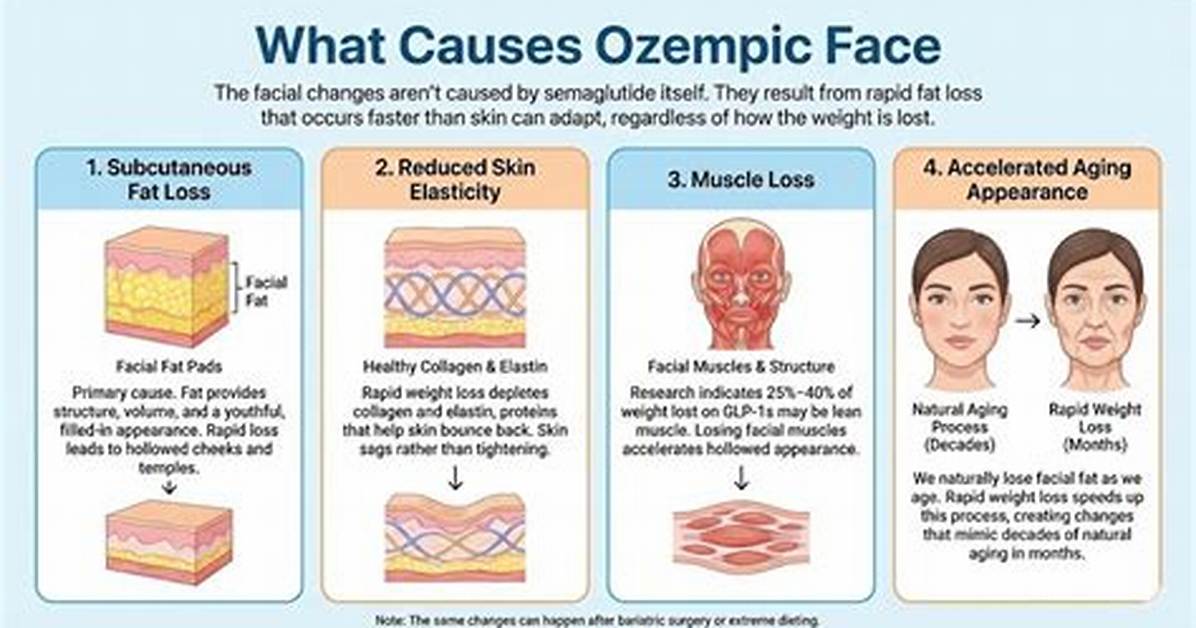
In recent years, the term "ozempic face" has emerged as a buzzword in health and wellness conversations. This term refers to a specific facial appearance associated with the use of Ozempic, a medication primarily prescribed for type 2 diabetes management. While Ozempic has proven effective in regulating blood sugar levels and aiding weight loss, it has inadvertently led to noticeable changes in facial aesthetics for some users. Understanding the nuances of "ozempic face" requires delving into the medication's mechanisms, its impact on facial fat distribution, and the implications for those experiencing this phenomenon.
Ozempic, a brand name for the drug semaglutide, functions by mimicking the hormone GLP-1 (glucagon-like peptide-1), which plays a crucial role in insulin regulation and appetite control. As a result, patients often experience significant weight loss, which, while beneficial for overall health, can lead to a reduction in facial volume. This reduction is what gives rise to the so-called "ozempic face," characterized by a gaunt or hollowed-out appearance. The phenomenon has sparked discussions among healthcare professionals, patients, and the beauty industry, highlighting a need for a comprehensive understanding of its causes, effects, and potential remedies.
In this article, we aim to provide an in-depth exploration of "ozempic face," drawing from scientific research, expert opinions, and patient experiences. We will examine the biological mechanisms behind Ozempic, its role in weight loss, and how these factors contribute to changes in facial aesthetics. Furthermore, we'll explore potential solutions and cosmetic interventions for those seeking to address these changes, ultimately empowering readers with knowledge and options to make informed decisions about their health and appearance.
Biological Mechanisms of Ozempic
To fully understand the concept of "ozempic face," it's essential to first grasp how Ozempic functions on a biological level. Ozempic is a glucagon-like peptide-1 (GLP-1) receptor agonist, which means it mimics the action of the natural hormone GLP-1 in the body. This hormone is integral in the regulation of blood sugar levels and appetite, making it a critical component in the management of type 2 diabetes.
GLP-1 is secreted in response to food intake and stimulates insulin secretion from the pancreas while simultaneously suppressing glucagon release. This dual action helps lower blood glucose levels. Additionally, GLP-1 slows gastric emptying and promotes satiety, which can lead to reduced food intake and weight loss. These effects are the primary reasons why Ozempic is prescribed to patients with type 2 diabetes, as it helps in achieving better glycemic control and weight management.
Ozempic's weight-loss effect is particularly noteworthy. The medication's ability to decrease appetite and caloric intake leads to significant weight loss in many patients. However, this weight loss is not limited to adipose tissues in the body; it also affects facial fat. The reduction in facial fat volume is what contributes to the "ozempic face" phenomenon, where the face appears more gaunt or hollow.
Moreover, Ozempic's biological mechanisms are not isolated to just insulin and appetite regulation. Research indicates that GLP-1 receptor agonists like Ozempic may also influence other metabolic pathways, including those involved in lipid metabolism. These additional effects could further explain the changes in fat distribution observed in users, highlighting the complexity and multifaceted nature of the medication's impact on the body.
Ozempic and Weight Loss
Weight loss is one of the most prominent outcomes observed in individuals taking Ozempic, and it is a key factor in the development of "ozempic face." The medication's ability to promote weight loss has been celebrated in the medical community, as it not only aids in diabetes management but also contributes to overall health improvement and risk reduction for cardiovascular diseases.
The weight loss associated with Ozempic typically occurs gradually over several weeks to months. Patients often report a noticeable decrease in body weight, which is primarily attributed to the medication's appetite-suppressing effects. By reducing hunger and promoting a sense of fullness, Ozempic helps patients consume fewer calories, leading to a calorie deficit and, consequently, weight loss.
While the reduction in body weight is beneficial for many, it can have unintended consequences on facial aesthetics. The face is one of the areas where fat loss is most visible, and this can result in a more pronounced appearance of facial bones, such as the cheekbones and jawline. For some, this change is desirable, as it aligns with certain beauty standards that favor defined facial features. However, for others, the loss of facial volume can lead to concerns about looking older or unhealthy.
It's important to note that the degree of facial fat loss varies among individuals. Factors such as genetics, baseline body composition, and the rate of weight loss all play a role in determining how pronounced the "ozempic face" phenomenon might be for a given person. As such, not every individual taking Ozempic will experience significant changes in facial aesthetics.

