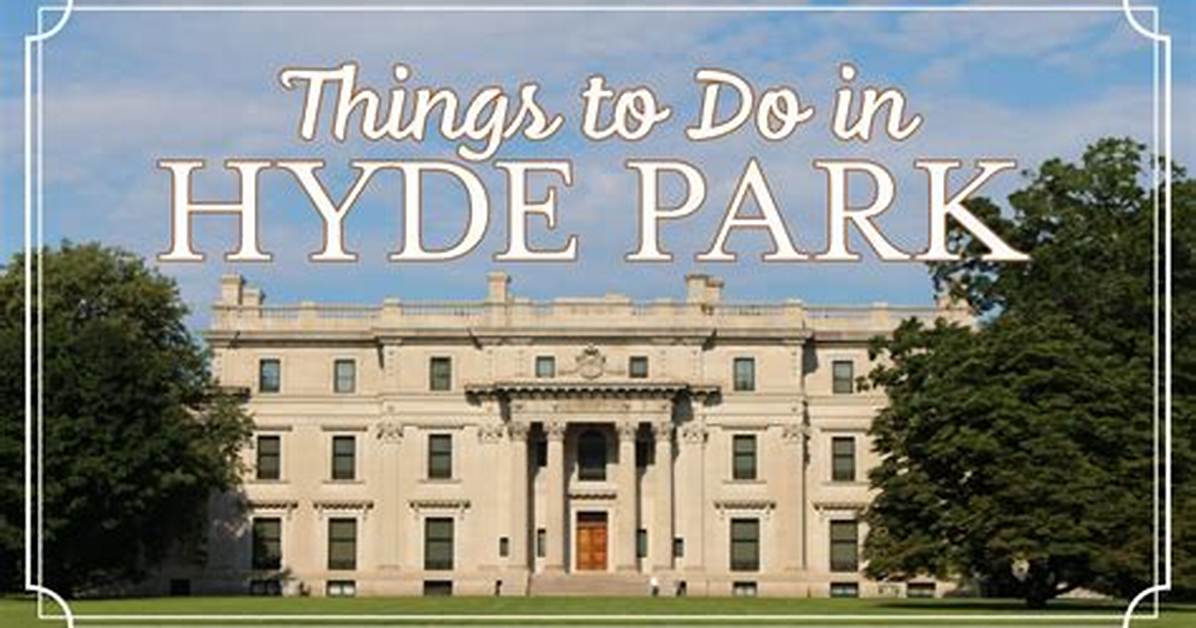
New Hyde Park, New York, is a charming village located in Nassau County, known for its rich history, vibrant community, and numerous amenities. This article will delve into the various aspects of New Hyde Park, exploring its unique features, attractions, and lifestyle. Whether you are a potential resident, a visitor, or simply curious about this lovely village, this guide aims to provide you with a thorough understanding of what New Hyde Park has to offer.
The village is characterized by its suburban feel, making it a desirable place for families and individuals seeking a peaceful environment with easy access to New York City. With its well-maintained parks, diverse dining options, and robust educational institutions, New Hyde Park continues to attract new residents and visitors alike.
In this article, we will cover various topics, including a brief history of New Hyde Park, its demographics, local attractions, schools, and the overall quality of life. Our goal is to offer valuable insights that highlight why New Hyde Park is a great place to live or visit.
1. History of New Hyde Park
New Hyde Park has a rich historical background that dates back to the 17th century. Originally inhabited by the Matinecock tribe, the area began to see European settlement in the 1600s. Over the years, it transformed from agricultural land into a thriving community.
In the late 19th century, with the arrival of the Long Island Rail Road, New Hyde Park began to develop rapidly. The village was officially incorporated in 1927, and since then, it has continued to grow, blending its historical roots with modern development.
Key Historical Events
- Established as a farming community in the 17th century.
- Incorporated as a village in 1927.
- Development accelerated post-World War II, attracting many new residents.
2. Demographics and Population
As of the latest census, New Hyde Park has a population of approximately 9,500 residents. The village has a diverse demographic, with a mix of ethnicities and cultures contributing to its vibrant community atmosphere.
Population Breakdown
- White: 60%
- Hispanic or Latino: 25%
- Asian: 10%
- Other: 5%

