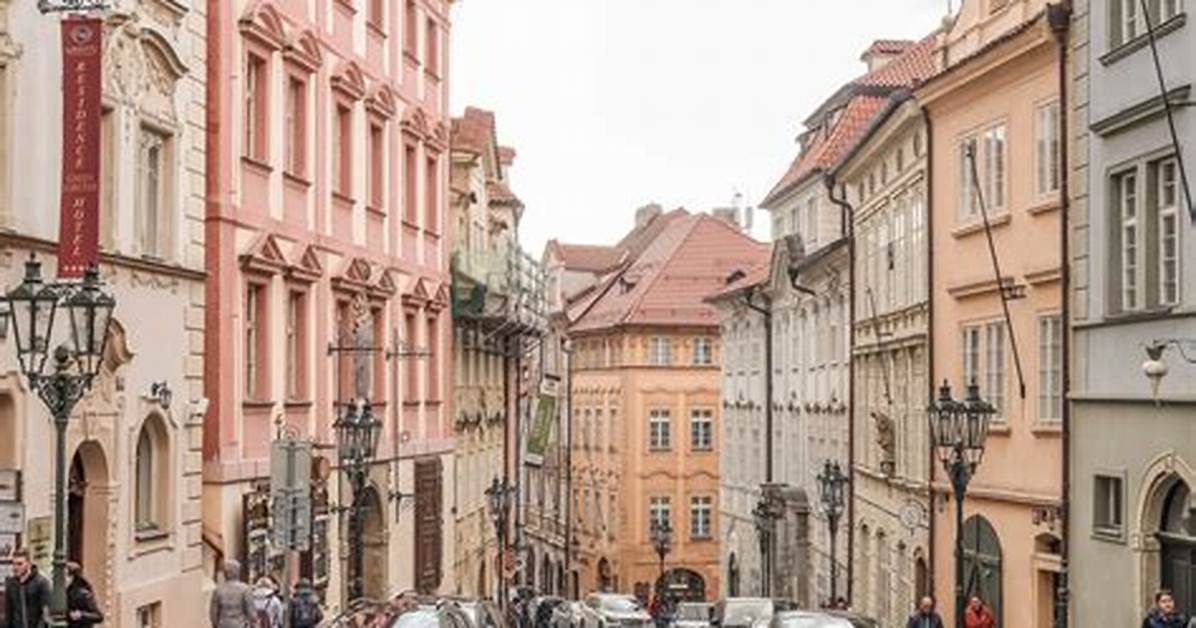
Czech streets are not just mere pathways; they tell the story of a nation rich in history, culture, and architectural beauty. As you wander through the cobblestone alleys and vibrant boulevards of cities like Prague, Brno, and Plzeň, you will uncover the essence of Czech life, from medieval times to the present day. Each street has its own unique character, reflecting the diverse influences that have shaped the Czech Republic over the centuries.
The charm of Czech streets lies in their ability to transport you through time. With a blend of Gothic, Baroque, and modern architecture, these thoroughfares serve as a canvas for artistic expression and historical significance. Whether you are a history buff, an architecture enthusiast, or simply a traveler looking for adventure, the streets of the Czech Republic offer something for everyone.
In this article, we will explore the most iconic streets in the Czech Republic, delve into their historical significance, and provide you with tips on how to experience them to the fullest. Join us on this journey as we uncover the hidden gems and well-known landmarks that make Czech streets a must-visit for anyone traveling to this beautiful country.
1. The Historical Significance of Czech Streets
The history of the Czech Republic is deeply intertwined with the evolution of its streets. From the medieval towns to the bustling urban centers, each street has witnessed significant events that have shaped the country. The cobblestone streets of Prague's Old Town, for example, have been the site of countless historical moments, including royal processions and public gatherings.
Historically, streets served as the arteries of trade and communication. They connected various regions and facilitated the exchange of goods and ideas. In the Middle Ages, many streets were named after their primary function, such as "Market Street" or "Trade Route," reflecting the economic activities that took place there.
Moreover, Czech streets have also been the backdrop for important social movements and political changes. The Velvet Revolution, which led to the end of communist rule in 1989, saw thousands of Czechs marching through the streets, demanding freedom and democracy. Today, these streets continue to be a platform for civic engagement and cultural expression.
2. Architectural Wonders Along the Streets
The architectural diversity found along Czech streets is nothing short of breathtaking. From Gothic cathedrals to Baroque palaces, each structure tells a story of its own.
- Gothic Architecture: The iconic St. Vitus Cathedral in Prague is a prime example of Gothic architecture, with its pointed arches and intricate stained glass windows.
- Baroque Style: The baroque buildings lining the streets of Olomouc showcase the opulence and grandeur of this architectural style, characterized by its bold colors and elaborate decorations.
- Modern Influences: In contrast, cities like Brno feature modernist architecture, with buildings designed by renowned architects such as Mies van der Rohe.
As you stroll through these streets, take the time to appreciate the artistry and craftsmanship that went into each structure. Many of these buildings are protected as UNESCO World Heritage Sites, underscoring their importance to global heritage.

