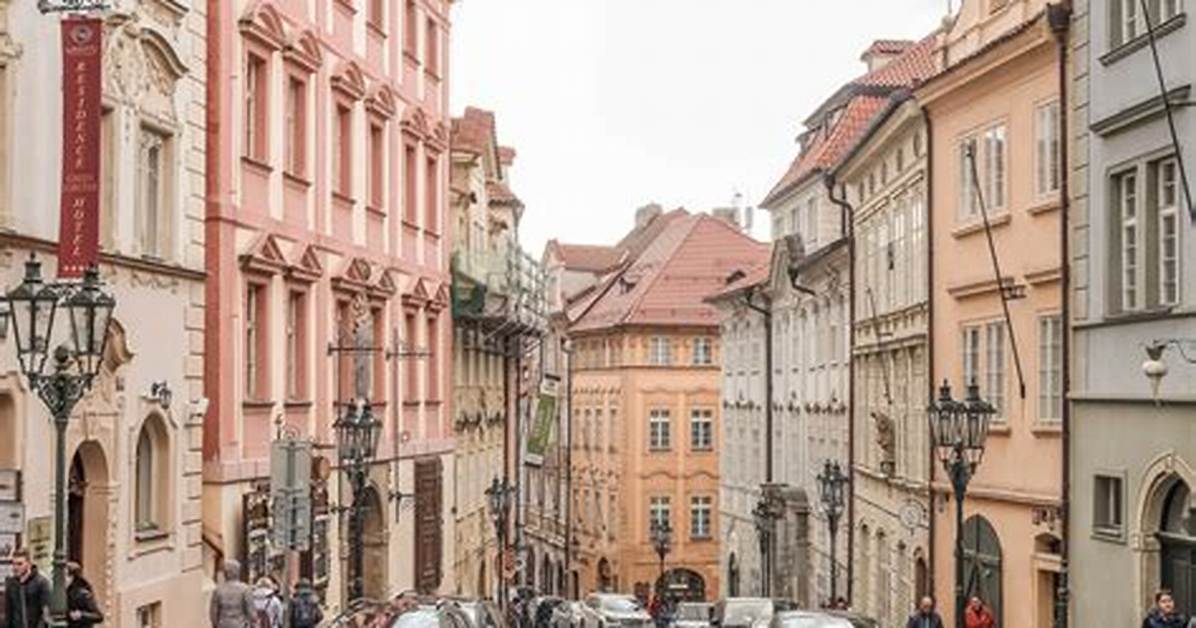
Czech Street is more than just a physical space; it represents the vibrant culture, history, and daily life of the Czech Republic. Nestled in the heart of Europe, the Czech streets are a tapestry of architectural marvels, bustling markets, and rich traditions that invite both locals and tourists to explore. As we delve deeper into the essence of Czech Street, we will uncover its historical significance, cultural landmarks, and the unique experiences it offers to visitors.
The vibrant streets of the Czech Republic, especially in cities like Prague, are lined with charming cafes, historic buildings, and lively street performers. These streets are not only pathways for transportation but also venues for cultural exchange and social interaction. In this article, we will take a closer look at what makes Czech Street a must-visit destination, exploring its various facets, from historical landmarks to modern-day attractions.
Join us on this exciting journey through Czech Street, where every corner tells a story, and every step uncovers a piece of the rich tapestry that is Czech culture. Whether you are a history enthusiast, a foodie, or an adventure seeker, there is something for everyone in the enchanting streets of the Czech Republic.
History of Czech Streets
The history of Czech streets dates back to medieval times, where they served as vital arteries for trade and commerce. Streets were often named after the trades that dominated them, such as "Goldsmith's Street" or "Baker's Lane." Over the years, these streets have evolved, reflecting the socio-political changes in the country.
Medieval Origins
During the medieval period, Czech streets were typically narrow and winding, designed for foot traffic and horse-drawn carriages. The architecture from this era is still preserved in many parts of the cities, showcasing Gothic and Renaissance styles.
Modern Developments
With the onset of the Austro-Hungarian Empire and later the industrial revolution, Czech streets adapted to accommodate the influx of people and vehicles. Today, they stand as a testament to the blend of historical significance and modern advancements.
Architectural Wonders
Czech streets are adorned with some of the most stunning architectural landmarks in Europe. From Gothic cathedrals to Baroque palaces, the architectural diversity is a feast for the eyes.
Notable Structures
- Prague Castle: A UNESCO World Heritage site and the largest ancient castle in the world.
- Charles Bridge: An iconic bridge adorned with statues of saints, connecting the Old Town and Lesser Town.
- The Astronomical Clock: A medieval clock that draws crowds with its hourly show.
Street Art and Modern Architecture
In addition to historical buildings, Czech streets also feature contemporary architecture and street art. Vibrant murals and installations add a modern twist to the traditional aesthetic.

