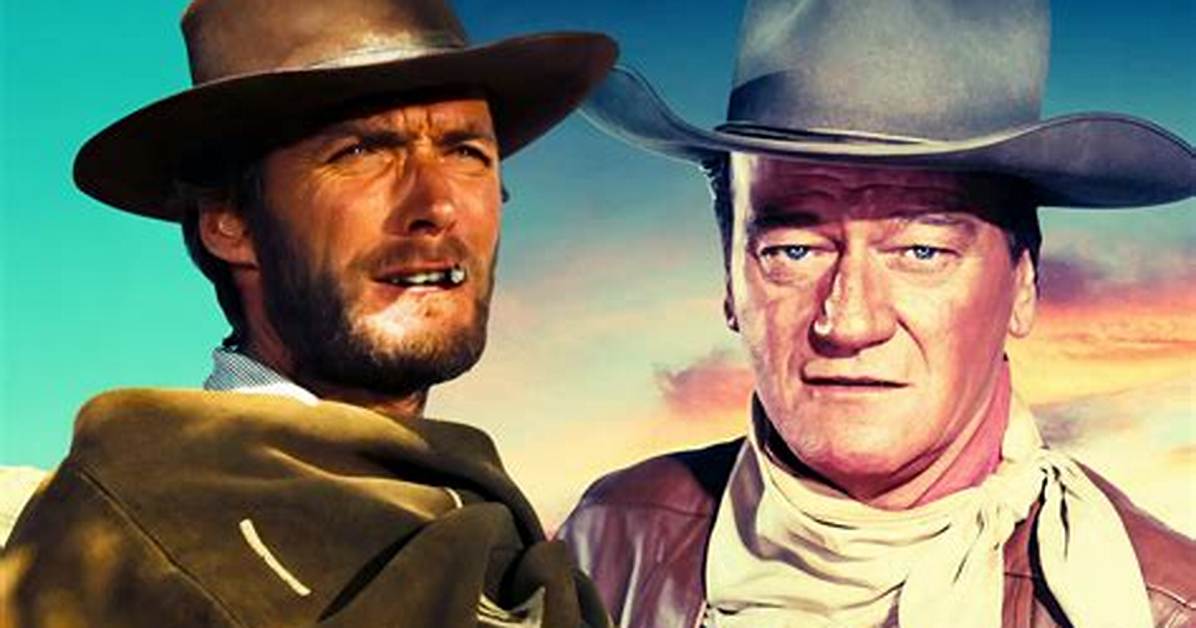
Clint Eastwood and John Wayne represent two of the most iconic figures in American film history, each embodying a distinct style and persona that has captivated audiences for decades. With their unique contributions to the Western genre, both actors have left an indelible mark on cinema, shaping the way heroes are portrayed on the silver screen. The debate surrounding their legacies continues to spark passionate discussions among film enthusiasts, as fans delve into their respective careers and personal lives.
In this exploration of "Clint Eastwood vs John Wayne," we will examine their backgrounds, career milestones, and the characteristics that define their on-screen personas. We will also address the contrasting themes and storytelling approaches in their films, ultimately revealing what sets these two legends apart while also highlighting their influence on Hollywood and popular culture.
As we embark on this journey through the lives and careers of Clint Eastwood and John Wayne, we invite you to consider your own opinions and experiences with their films. Who do you believe holds the title of the ultimate Western hero? Let’s delve deeper into their biographies and contributions to cinema to find out!
What Are the Biographies of Clint Eastwood and John Wayne?
Clint Eastwood: The Versatile Icon
Clint Eastwood was born on May 31, 1930, in San Francisco, California. He rose to fame in the 1960s with his role as the "Man with No Name" in Sergio Leone's acclaimed Spaghetti Western trilogy. Eastwood's rugged charm and stoic demeanor quickly made him a household name. Over the years, he has transitioned from acting to directing, winning multiple Academy Awards for his work behind the camera.
| Detail | Information |
|---|---|
| Name | Clint Eastwood |
| Date of Birth | May 31, 1930 |
| Place of Birth | San Francisco, California |
| Notable Films | Unforgiven, The Good, The Bad and The Ugly, Gran Torino |
| Awards | 4 Academy Awards, 5 Golden Globes |
John Wayne: The Embodiment of the American Cowboy
John Wayne, born Marion Robert Morrison on May 26, 1907, in Winterset, Iowa, became a symbol of American masculinity and heroism. With a career spanning over five decades, Wayne starred in numerous Westerns, solidifying his status as a cultural icon. His commanding presence and distinctive voice endeared him to audiences, and he often played rugged characters facing moral dilemmas.
| Detail | Information |
|---|---|
| Name | John Wayne |
| Date of Birth | May 26, 1907 |
| Place of Birth | Winterset, Iowa |
| Notable Films | True Grit, The Searchers, Stagecoach |
| Awards | 1 Academy Award, 3 Golden Globes |
How Did Clint Eastwood and John Wayne Shape the Western Genre?
Both Clint Eastwood and John Wayne played pivotal roles in redefining the Western genre in American cinema. Wayne's films often presented a romanticized view of the Old West, portraying clear distinctions between good and evil. His characters typically embodied traditional values, bravery, and a strong sense of justice.
In contrast, Clint Eastwood's characters often exhibited a more complex and morally ambiguous nature. His portrayal of anti-heroes challenged the traditional archetype, introducing audiences to protagonists who grappled with their own flaws and dilemmas. This shift in character development helped to elevate the Western genre, paving the way for more nuanced storytelling.
What Are the Key Themes in Their Films?
The themes explored in the films of Clint Eastwood and John Wayne reveal their contrasting approaches to storytelling. Wayne's films often emphasized themes of heroism, honor, and the importance of community. His characters frequently fought for justice and upheld moral values, resonating with audiences looking for inspiration and nostalgia.
On the other hand, Eastwood's films delve into themes of isolation, revenge, and the consequences of violence. His characters often face internal struggles, and the narratives explore the darker aspects of human nature. This thematic depth has contributed to the lasting impact of Eastwood's work on modern cinema.

