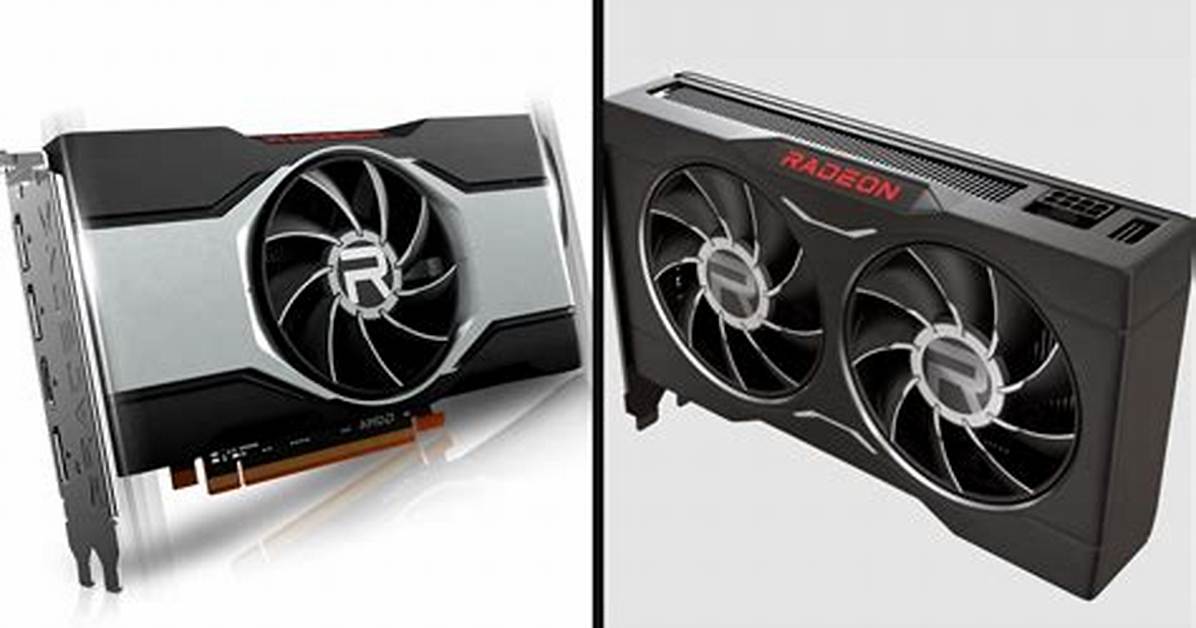
With the ongoing GPU shortage, we’ve moved past a time when $200 GPUs are among the best graphics cards you can buy, but Nvidia and AMD are still offering cheaper alternatives for 1080p gamers. AMD’s RX 6600 and RX 6600 XT and Nvidia’s RTX 3060 all target 1080p for between $330 to $380, but there’s one card that hits the mark better than the other two.
These cards make up the best 1080p graphics cards around, so it’s hard to make a bad decision. Now that we’ve put the RX 6600 through our test bench, we’re here to break down specs, performance, and features to help you know which one is right for you.
If you want to go deeper, make sure to read our RTX 3060 review and RX 6600 XT review.
Pricing and availability
AMD launched the RX 6600 XT on August 11 for a recommended price of $379, following shortly after on October 13 with the RX 6600 for a suggested price of $329. The Nvidia RTX 3060 was released much earlier, on February 25, though at the same suggested $329 price as the RX 6600.
The list price doesn’t mean much for any of these cards. The ongoing GPU shortage has raised prices for all graphics to obscene heights. Although some board partner cards arrived at list price, most sold for much higher — nearly double, in some cases.
The RX 6600 will likely follow in the footsteps of the RX 6600 XT and RTX 3060 and sell out immediately. You can expect to pay twice the list price on the secondhand market, if not more. We’re basing our comparison on list price — the only constant right now — but we suggest looking at the going rate and our performance conclusions.
We can’t speak to the future of graphics cards prices, but there has been a consistent trend throughout the GPU shortage — AMD cards typically sell for less than Nvidia ones. At the time of writing, for example, the RX 6600 XT is anywhere from $50 to $100 cheaper than the RTX 3060 on eBay, despite the fact that the RX 6600 XT has a higher list price.
Specs
Spec comparisons between Nvidia and AMD graphics cards don’t mean much; the companies are using entirely different designs, so you shouldn’t compare their specs directly. Still, there are a few interesting things to note in how these three cards are designed and how that impacts gaming performance.
| RX 6600 | RX 6600 XT | RTX 3060 | |
| GPU | Navi 23 | Navi 23 | GA106 |
| Interface | PCIe 4.0 | PCIe 4.0 | PCIe 4.0 |
| CUDA cores/stream processors | 1,792 | 2,048 | 3,584 |
| Tensor cores | N/A | N/A | 112 |
| Ray tracing accelerators | 28 ray accelerators | 32 ray accelerators | 28 RT cores |
| Base clock | N/A | N/A | 1,320MHz |
| Boost clock | 2,491MHz | 2,539MHz | 1,777MHz |
| Memory | 8GB GDDR6 | 8GB GDDR6 | 12GB GDDR6 |
| Bandwidth | Up to 224GBps | Up to 256GBps | 360GBps |
| Memory bus | 128-bit | 128-bit | 192-bit |
| TDP | 132W | 160W | 170W |
Ray tracing is a big area where AMD and Nvidia cards are different. The RTX 3060 includes dedicated ray tracing units, while the RX 6600 and RX 6600 XT include a ray accelerator in each compute unit. We’ll dig into the specifics of ray tracing performance later, but the gist of it is that Nvidia’s solution performs much better.
On the flip side, the two AMD cards consume much less power, especially the RX 6600. AMD has stressed up to a 1.5x increase in performance per watt with the RX 6600 over the RTX 3060. That’s impressive, but that shouldn’t make any practical difference when it comes to performance.
The spec most people seem to gravitate toward is memory capacity, and the RTX 3060 wins that battle. It has greater bandwidth and capacity than the two AMD cards, but don’t be fooled by the number. Although the RTX 3060 comes with 12GB of video memory, the 8GB on the RTX 3060 Ti offers more effective bandwidth given that card’s larger memory bus.

